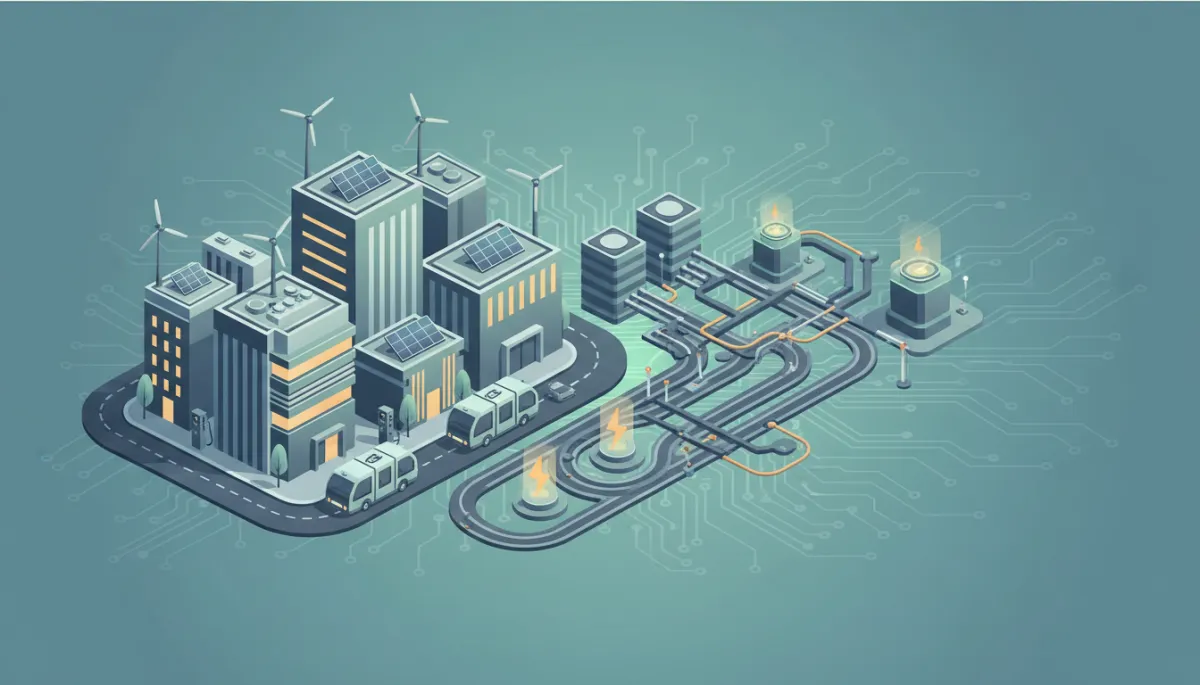
Electrification: The Future of Sustainable Housing
Housing, Electrification, Sustainability, Built Environment
Electrification and the Future of Housing: From Concept to Core Strategy
Housing is quietly undergoing a fundamental redesign. At the center of this shift is electrification; replacing fossil-fuel-based systems with efficient, all-electric solutions. For professionals across real estate, construction, policy, and finance, electrification is no longer a niche sustainability choice; it is becoming a core business strategy that will define the future of housing.
Electrification in Housing: From Single Measures to Integrated Solutions
In housing, electrification typically means replacing gas, oil, or other combustion-based systems with electric technologies powered by an increasingly decarbonized grid; or by on-site renewables. The most visible applications are in three areas: space heating and cooling, water heating, and cooking. Yet the real value emerges when these elements are treated as part of an integrated solution, not isolated upgrades.
Heat pumps for space conditioning: Air-source and ground-source heat pumps deliver two to four units of heat for every unit of electricity, dramatically outperforming traditional boilers and furnaces on efficiency and emissions.
Heat pump water heaters: These systems significantly cut energy use for hot water, often the second-largest load in a home after space conditioning.
Induction cooking: Induction ranges offer precise temperature control, faster heating, and improved indoor air quality compared with gas stoves; an increasingly important health consideration in dense urban housing.
Around these core technologies, a wider ecosystem of electrification solutions is emerging: rooftop solar, battery storage, smart thermostats, advanced metering, and integrated home energy management systems. For housing professionals, the opportunity lies in designing these components as a coherent package rather than a patchwork of add-ons.
💡 Pro Tip: When planning electrification, start with a whole-building load analysis. Right-sizing equipment after envelope improvements often cuts upfront costs and avoids overspecifying electrical infrastructure.
Business Drivers: Why Electrification Is Moving to the Mainstream
The momentum behind housing electrification is not driven by environmental goals alone. It is increasingly underpinned by regulation, economics, and risk management.
Regulatory pressure: Many cities and regions are introducing building codes that phase out gas connections in new construction, set emissions caps for existing buildings, or require future-proofing for EV charging and heat pumps.
Total cost of ownership: While upfront costs can be higher, operational savings from efficient electric systems, combined with incentives and lower maintenance, are narrowing the gap—especially in multifamily and social housing portfolios with long investment horizons.
Health and liability: Growing evidence linking indoor combustion to respiratory issues is shifting tenant expectations and potential liability, especially in family and senior housing.
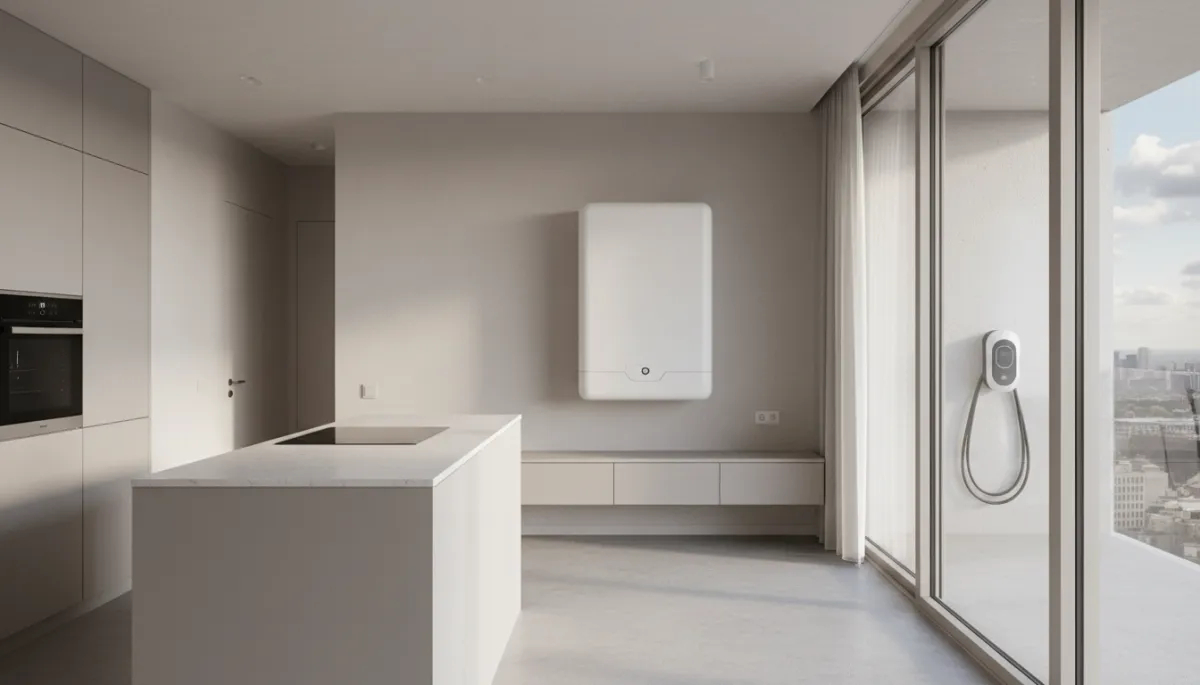
Integrated electrification enhances comfort, reduces emissions, and strengthens long-term asset value.
Designing the Future of Housing: All-Electric, Connected, and Flexible
Looking ahead, the future of housing is not simply “electric” in a narrow sense. It is all-electric, connected, and grid-aware. Buildings will increasingly operate as active participants in the energy system, not passive consumers.
All-electric new builds allow designers to simplify infrastructure: no flues, no gas meters, and fewer penetrations in the building envelope. This opens space for more compact mechanical rooms and cleaner architectural lines. When combined with high-performance envelopes, these homes require far smaller heating and cooling capacities, which in turn enables smaller electrical services and more predictable operating costs.
Connectivity adds another layer. Smart thermostats, submetering, and building management platforms can orchestrate loads—preheating or precooling homes when renewable energy is abundant, shifting water heating to off-peak hours, or coordinating EV charging across a multifamily car park. For utilities and grid operators, this flexibility is essential to managing a system with high shares of variable renewables. For housing providers, it unlocks new value streams through demand response and tariff optimization.
📌 Key Takeaway: The future-ready home is not only efficient; it is designed to interact intelligently with the grid, pricing signals, and resident behavior.
Retrofitting the Existing Stock: The Hard but Essential Work
New construction is the easiest place to implement electrification, but the future of housing will be decided largely in the existing building stock. Here, professionals face a different set of challenges: constrained electrical capacity, legacy hydronic systems, tenant disruption, and fragmented ownership structures.
Phased approaches: Sequencing envelope upgrades, panel upgrades, and equipment replacement around natural end-of-life cycles can spread costs and minimize downtime.
Centralized vs. unit-based solutions: In multifamily buildings, central heat pump plants or shared hot water systems can simplify maintenance and improve economics compared with unit-by-unit installations.
Financing models: Green mortgages, on-bill financing, and performance-based contracts are emerging to bridge the upfront cost gap and align benefits between owners and occupants.
What Professionals Should Do Now
Electrification in housing is moving rapidly from “early adopter” territory to baseline expectation. To stay ahead of regulation, market demand, and investor scrutiny, professionals should treat electrification as a strategic roadmap, not a one-off project decision.
Map your portfolio or pipeline against upcoming policy changes and grid constraints.
Build cross-disciplinary teams that bring together design, engineering, finance, and operations from the outset of each project.
Pilot integrated electrification projects, capture performance data, and use the results to refine standards and de-risk larger rollouts.
Ultimately, the future of housing will be shaped by how effectively the sector can align climate goals with comfort, affordability, and resilience. Electrification is not the only ingredient in that future, but it is one of the most powerful levers available today. Professionals who understand its technical, financial, and human dimensions will be best placed to deliver homes that perform—for residents, investors, and the planet;over the long term.
